
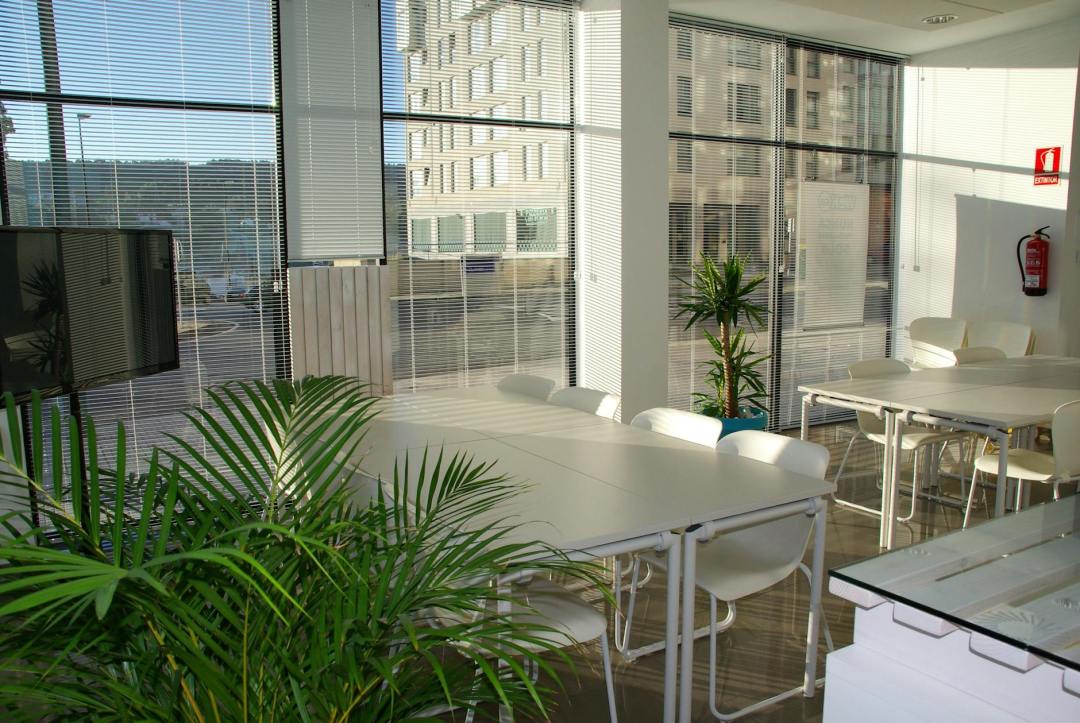
As the concept of workplace design continues to evolve, breakout office furniture has emerged as a vital element in creating environments that cater to both productivity and employee satisfaction. By combining functionality with comfort, breakout furniture transforms traditional office settings into dynamic spaces that foster collaboration, creativity, and well-being.
What Is Breakout Office Furniture?
Breakout office furniture refers to specially designed pieces that support informal interactions, collaborative work, and relaxation within an office. These items go beyond conventional desks and chairs, offering flexibility and adaptability to suit various needs.
Examples of breakout furniture include:
- Modular seating that can be rearranged for group discussions or individual focus.
- High tables paired with bar stools for casual meetings.
- Lounge chairs and bean bags for relaxation and informal collaboration.
- Acoustic pods or booths designed for private conversations or concentrated tasks.
- Multifunctional tables with integrated charging stations and storage options.
This type of furniture aims to create a balance between work and relaxation, enhancing the overall employee experience.
The Importance of Breakout Areas in the Workplace
Breakout areas equipped with versatile furniture are no longer considered a luxury but a necessity in modern offices. These spaces are designed to meet the needs of today’s workforce, which values flexibility and a supportive environment.
Benefits of breakout areas include:
- Boosting creativity: Informal and comfortable settings encourage innovative thinking and open discussion.
- Encouraging collaboration: Teams are more likely to share ideas and bond in a relaxed atmosphere.
- Improving focus: Breakout spaces provide an alternative to noisy open-plan offices, allowing for uninterrupted work.
- Reducing stress: Offering employees a place to unwind demonstrates a commitment to their well-being.
Key Features of Effective Breakout Furniture
To ensure breakout spaces serve their purpose, it is essential to choose the right furniture. Effective breakout furniture has several defining characteristics:
- Flexibility: Modular designs that allow for easy reconfiguration.
- Durability: Materials that can withstand heavy usage over time.
- Ergonomics: Comfortable designs that promote relaxation and support.
- Functionality: Additional features like built-in power outlets, adjustable components, and storage.
- Aesthetics: Furniture that complements the overall office design, creating a cohesive look.
How to Integrate Breakout Furniture Into Your Office
Implementing breakout furniture requires thoughtful planning to maximize its impact. Here are some practical steps:
- Identify suitable spaces: Repurpose underused areas into breakout zones without disrupting existing workflows.
- Balance privacy and accessibility: Ensure the spaces are convenient yet not intrusive.
- Mix furniture types: Incorporate a variety of seating and table options to cater to different needs.
- Incorporate natural elements: Add plants and ensure access to natural light to improve the ambiance.
- Focus on multifunctionality: Opt for pieces that can serve more than one purpose, such as seating with built-in storage.
For inspiration on modern breakout furniture designs, visit:
https://britishheadline.co.uk/modern-breakout-office-furniture-transforming-workspaces-for-creativity/
Long-Term Advantages of Breakout Furniture
Organizations that embrace breakout furniture often enjoy long-term benefits, both tangible and intangible.
- Higher employee satisfaction: Employees value thoughtful spaces that enhance their work experience.
- Increased productivity: Well-designed areas encourage efficient collaboration and individual focus.
- Enhanced talent attraction and retention: Modern, flexible office designs appeal to prospective and current employees.
- Improved adaptability: Modular furniture supports evolving work needs, such as hybrid or remote setups.
- Strengthened workplace culture: Breakout spaces foster a sense of community and innovation.
Overcoming Challenges in Breakout Furniture Implementation
While the advantages of breakout furniture are clear, implementing it can pose challenges. Common obstacles include space limitations, budget constraints, and balancing functionality with aesthetics.
Solutions to these challenges include:
- Opting for compact, versatile furniture that maximizes small spaces.
- Prioritizing high-impact pieces to stay within budget.
- Collaborating with interior designers to achieve both practicality and visual appeal.
The Future of Breakout Office Furniture
As the workplace continues to evolve, breakout furniture will remain an integral part of office design. The increasing focus on employee well-being, hybrid work models, and flexible office layouts will drive innovation in breakout furniture. Future designs are likely to incorporate more technology, sustainable materials, and personalization options, meeting the diverse needs of the modern workforce.
Conclusion
Breakout office furniture is reshaping the way we think about workplace design. By providing versatile and engaging spaces, businesses can enhance creativity, collaboration, and overall employee satisfaction. Investing in breakout furniture is not just about aesthetics—it’s about creating an environment where employees feel supported and inspired to perform their best. For any organization looking to modernize its workspace, breakout furniture is a practical and impactful solution.
 Max Furniture