
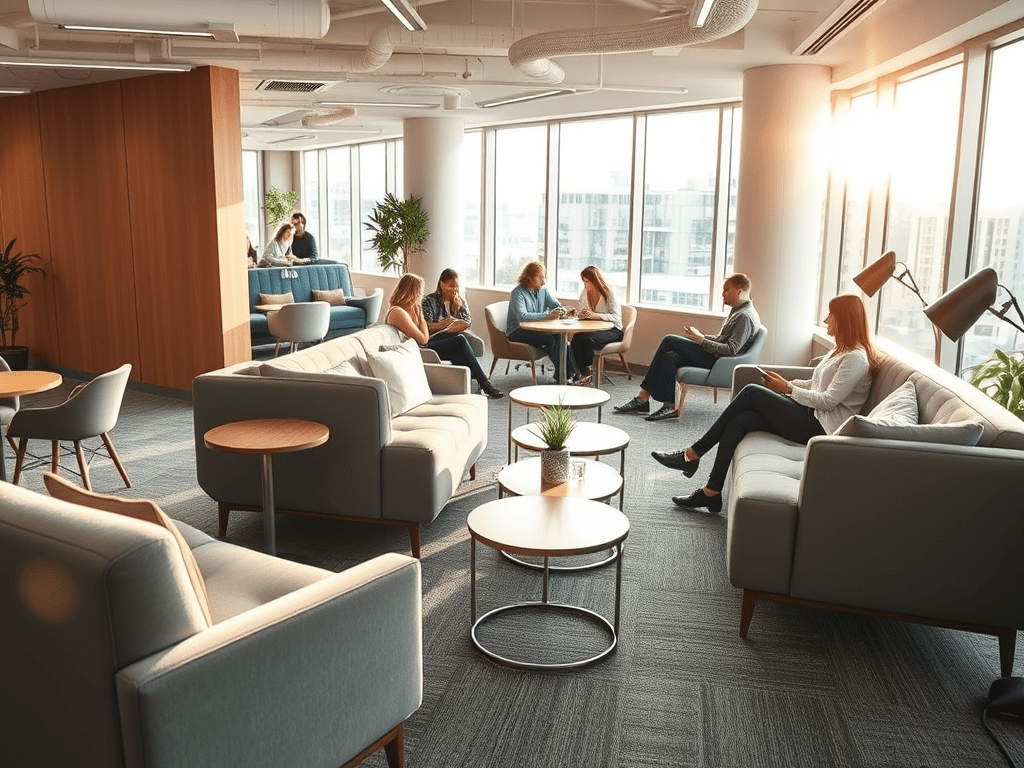
In recent years, the concept of the office has undergone a dramatic transformation. From rigid, uniform cubicles to fluid and collaborative spaces, today’s work environments reflect the evolving needs of employees and the dynamic nature of modern businesses. One of the most significant developments in this transformation is the integration of breakout office furniture — an innovative approach that merges comfort, flexibility, and functionality.
What Is Breakout Office Furniture?
Breakout furniture refers to seating and workspace solutions designed for informal, unstructured, and often collaborative areas within an office. These are spaces where employees can step away from their desks to brainstorm, relax, or engage in spontaneous conversations. Unlike traditional office furniture, breakout pieces are typically more casual, stylish, and versatile.
This shift aligns with a broader movement toward human-centered design — one that prioritizes well-being, creativity, and interaction. As businesses aim to foster innovation and productivity, the demand for breakout zones has grown steadily.
Why Are Breakout Spaces Gaining Popularity?
The benefits of breakout office furniture extend far beyond aesthetics. Here’s why more companies are investing in these flexible areas:
- Enhanced collaboration: Breakout zones encourage team discussions and idea-sharing in a relaxed setting, promoting organic collaboration.
- Improved employee well-being: Providing a change of scenery from the standard desk can reduce stress and combat fatigue.
- Boosted creativity: Non-traditional environments often spark fresh ideas and foster a more open-minded approach to problem-solving.
- Increased productivity: Short breaks in a comfortable breakout area can help employees recharge and return to their tasks with renewed focus.
These advantages are particularly relevant in hybrid or agile work models, where adaptability and employee satisfaction play a central role.
Key Elements of an Effective Breakout Area
To create a successful breakout zone, it’s important to consider both form and function. Here are some core components that define effective breakout office furniture:
- Modular sofas or lounge chairs for comfort and reconfiguration
- Small tables for casual meetings or quick coffee breaks
- Acoustic panels or soft furnishings to reduce noise and enhance privacy
- High stools and poseur tables for dynamic, short interactions
- Charging ports and power solutions to support mobile work
By combining these features, organizations can craft environments that support various work styles — from focused individual tasks to collaborative sessions.
Designing for Versatility and Flexibility
One of the primary appeals of breakout furniture is its ability to adapt. Offices no longer need to rely on permanent layouts. Instead, businesses are embracing modular designs that can be rearranged as teams grow or priorities shift.
Color and material choices also play a crucial role in setting the tone. Soft, warm fabrics can make the space feel welcoming, while bold colors may energize and inspire. The goal is to design a multifunctional area that accommodates different moods and needs throughout the day.
Breakout Furniture in the Broader Context of Workplace Design
Breakout zones are not just a trend — they are part of a larger shift toward employee-centric workplaces. With increasing attention on mental health, employee retention, and work-life balance, companies are rethinking how physical spaces impact performance and satisfaction.
The integration of breakout furniture is a practical and visually engaging response to these challenges. It reflects a deeper understanding of how employees work best and shows a commitment to cultivating a positive workplace culture.
For more insight into the role of breakout office furniture in shaping productive environments, visit:
https://www.bestagencies.co.uk/modern-breakout-office-furniture-transforming-workspaces-for-enhanced-productivity/
Conclusion
As work continues to evolve, so too must the spaces where it happens. Breakout office furniture offers a compelling way to bridge the gap between functionality and comfort, fostering collaboration, creativity, and focus. It’s no longer just about desks and chairs — it’s about designing with intention, flexibility, and people in mind.
By investing in thoughtful breakout solutions, businesses can create work environments that not only look modern but truly support the diverse needs of their teams.
 Max Furniture