
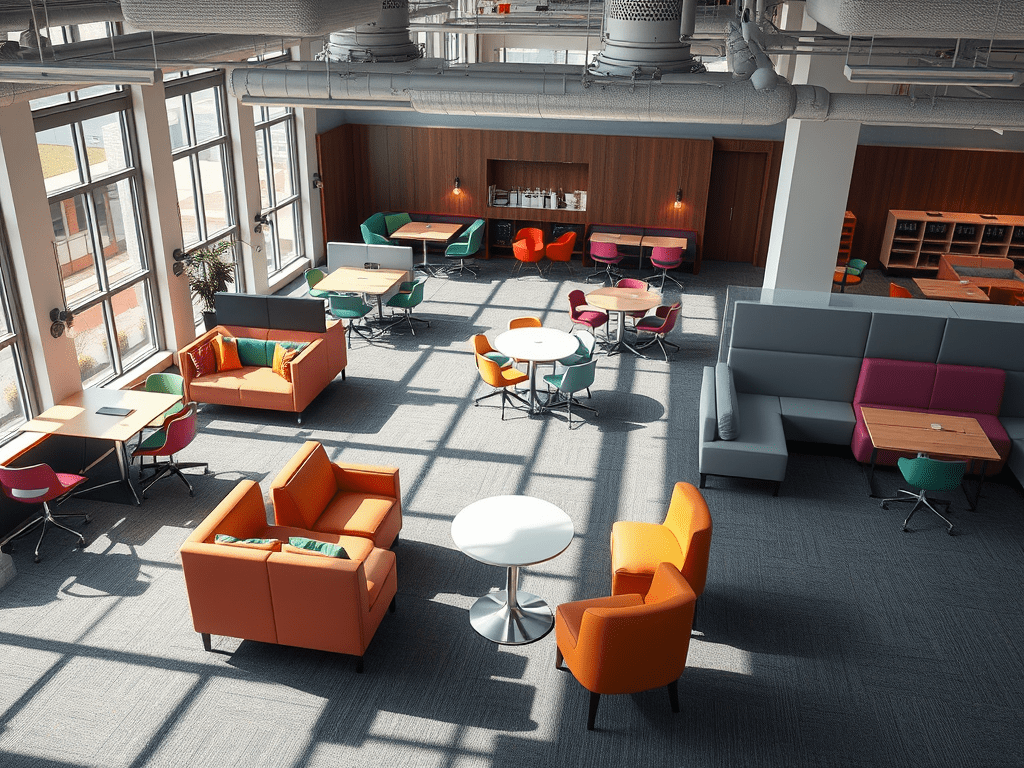
In recent years, the way we work has drastically evolved. The traditional office layout, characterized by rows of cubicles and static workstations, is gradually being replaced by more dynamic and flexible workspaces. One of the key elements of this transformation is the introduction of breakout office furniture, which has become an essential part of modern office design. Breakout spaces, also known as collaborative spaces, offer employees a break from their regular workspace and provide an environment where they can collaborate, brainstorm, or simply relax. These areas are equipped with versatile, comfortable, and innovative furniture that fosters creativity and communication.
What Is Breakout Office Furniture?
Breakout office furniture refers to a range of furniture pieces designed specifically for breakout areas within a workplace. These areas are typically informal and are meant to serve as a retreat from the regular office environment. The furniture used in these spaces is often modular, movable, and adaptable to various needs. The aim is to provide employees with flexible options for different activities, whether it’s a quick meeting, casual conversation, or relaxation.
Some common types of breakout office furniture include:
- Modular seating systems: These are versatile and can be arranged in various configurations depending on the needs of the space. They allow for easy reconfiguration as the requirements of the office change.
- Collaborative tables: These tables are designed to encourage group discussions, brainstorming sessions, or collaborative projects. They often feature built-in power outlets and communication tools to make group work more efficient.
- Lounge chairs and sofas: Comfortable lounge seating encourages employees to take breaks, relax, or engage in informal discussions. These pieces are often stylish and ergonomic, creating a comfortable atmosphere for both relaxation and collaboration.
- High tables and stools: Perfect for standing meetings or quick brainstorming sessions, high tables and stools help create an open and collaborative environment without the formality of traditional office furniture.
- Breakout pods: These semi-private pods are designed for small, informal meetings or solo work, offering a quiet space to focus while still being part of the open office environment.
Benefits of Breakout Office Furniture
The introduction of breakout office furniture has numerous benefits for both employees and employers. By creating adaptable spaces within the office, businesses can improve collaboration, foster creativity, and enhance employee satisfaction. Some key benefits include:
- Enhanced Collaboration: Breakout areas encourage spontaneous conversations and collaborations. Employees are more likely to engage with one another in a relaxed, informal setting, leading to increased creativity and problem-solving.
- Increased Flexibility: With modular and movable furniture, breakout spaces can be easily adapted to suit the needs of the business. Whether the space is being used for a team meeting or as a place for relaxation, flexible furniture ensures that it can be repurposed with ease.
- Boosted Productivity: A well-designed breakout space allows employees to step away from their regular workstations and recharge. Short breaks in these spaces can help reduce stress, improve focus, and increase overall productivity throughout the day.
- Improved Well-being: Breakout office furniture is often designed with comfort and ergonomics in mind. Comfortable seating options and informal spaces create an environment where employees can relax, reducing the mental strain of constant desk work and promoting overall well-being.
- Encouraging Creativity: A change of scenery can often spark fresh ideas. Breakout areas provide an opportunity for employees to engage in creative thinking without the constraints of their usual office setup. These spaces often feature vibrant colors and contemporary designs that inspire innovation.
Designing Breakout Spaces for Maximum Impact
Designing a breakout space involves more than just selecting the right furniture. It requires a deep understanding of how people use the space and what types of activities they will engage in. Here are some key considerations when designing an effective breakout area:
- Variety of seating options: A well-designed breakout space should offer a variety of seating options to cater to different preferences. Some employees may prefer lounging in comfortable chairs, while others may prefer standing or sitting at a high table. Offering a range of choices encourages employees to use the space in different ways.
- Flexible layout: A flexible layout allows employees to rearrange the space depending on the type of work or interaction they need. Modular seating and movable tables are excellent for creating adaptable environments that can shift as the needs of the office change.
- Acoustic considerations: While breakout spaces are meant to be informal, it’s important to consider acoustics. Open offices can often be noisy, which can be distracting. Incorporating sound-absorbing materials into the design, such as upholstered furniture and acoustic panels, can help create a quieter, more comfortable environment.
- Incorporating nature: Many companies are increasingly recognizing the benefits of incorporating natural elements into their workspaces. Adding plants, natural lighting, or outdoor views can help improve the overall atmosphere of the breakout space, contributing to employee well-being and enhancing creativity.
- Technology integration: Breakout spaces should be equipped with the necessary tools to facilitate collaboration. This might include Wi-Fi, screens for presentations, charging stations, and even whiteboards for brainstorming sessions. Incorporating technology into the design of breakout spaces ensures that employees have everything they need to work efficiently.
How Breakout Furniture Contributes to Company Culture
In addition to the practical benefits, breakout furniture plays a significant role in shaping a company’s culture. By providing informal spaces for employees to gather, relax, and collaborate, businesses are fostering a culture of openness, communication, and creativity. A thoughtfully designed breakout space can signal to employees that their well-being and collaboration are valued. It encourages them to step away from their desks, interact with colleagues from different departments, and share ideas in an informal setting.
Moreover, breakout areas can serve as hubs for innovation. With the right furniture and design, these spaces become breeding grounds for new ideas, allowing employees to brainstorm, solve problems, and create solutions outside of the confines of traditional meeting rooms.
Conclusion
Breakout office furniture is more than just a trend – it is a fundamental shift in how we approach the design of office spaces. By prioritizing flexibility, comfort, and collaboration, businesses can create environments that not only boost productivity but also enhance employee well-being and creativity. The versatility of breakout furniture allows companies to cater to the diverse needs of their workforce, creating spaces that encourage engagement, innovation, and a strong sense of community. To learn more about how modern breakout furniture enhances flexibility and productivity, visit https://motivirus.com/modern-breakout-office-furniture-enhancing-flexibility-and-productivity/
 Max Furniture