
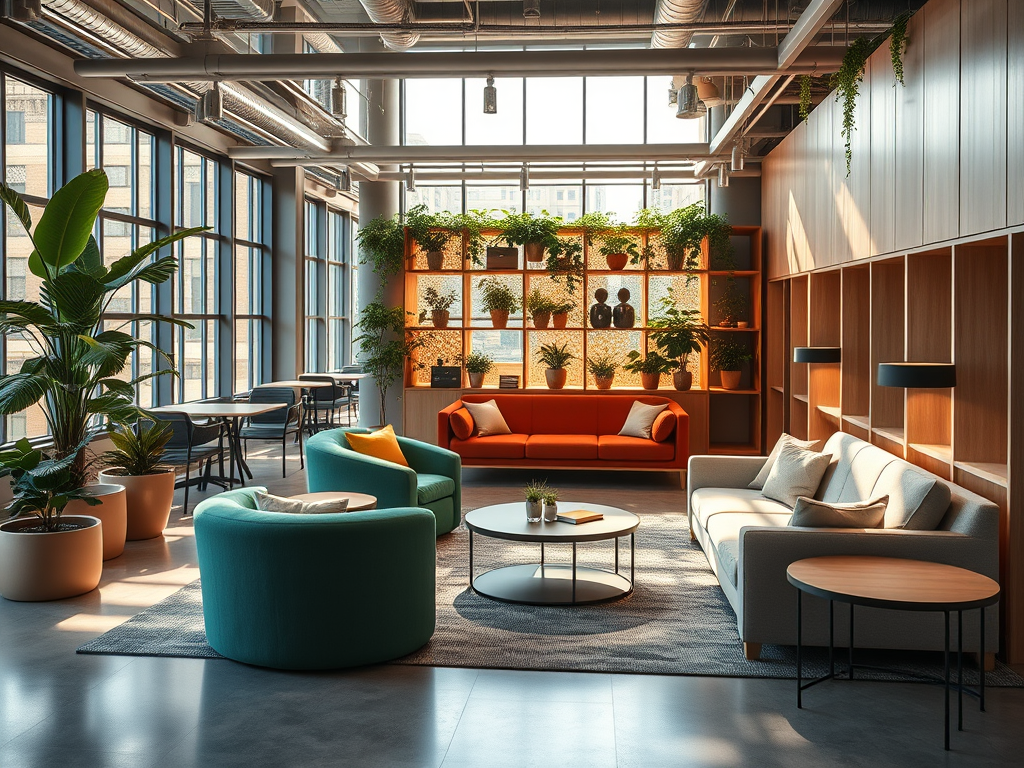
In the contemporary workplace, the concept of productivity has expanded beyond traditional desks and meeting rooms. Companies are now rethinking office design, placing greater emphasis on flexibility, creativity, and employee well-being. Breakout office furniture has emerged as a central element of this shift, offering employees versatile environments that support both collaboration and relaxation.
Defining Breakout Office Furniture
Breakout office furniture refers to pieces specifically designed for informal or semi-formal spaces within an office. Unlike standard workstations, these areas provide employees with an alternative environment to brainstorm ideas, hold casual meetings, or recharge during the workday. Sofas, beanbags, high tables, modular seating, and acoustic pods often feature in these setups, creating a mix of comfort and function.
These environments are not just aesthetic additions. They serve as intentional spaces that balance the structured nature of traditional offices with the flexibility demanded by modern working styles.
Why Offices Need Breakout Spaces
The workplace of today is no longer defined by rigid cubicles. Employees expect spaces that foster creativity, accommodate collaboration, and support mental well-being. Breakout office furniture meets these expectations by offering areas that adapt to multiple needs.
Among the key benefits are:
- Enhanced collaboration through informal discussions.
- Opportunities for employees to decompress and reduce stress.
- Greater adaptability to hybrid or flexible work arrangements.
- Encouragement of spontaneous idea-sharing.
- Creation of an inclusive environment that suits diverse working styles.
By blending comfort and functionality, breakout furniture helps organizations design offices that are as dynamic as the people who use them.
Essential Features of Breakout Office Furniture
When considering breakout office furniture, it is important to focus on practical features that ensure long-term value. Comfort is essential, but so are adaptability and durability. Key considerations include:
- Modular design for easy rearrangement.
- Ergonomic seating options that support posture and relaxation.
- Durable fabrics and finishes that withstand daily use.
- Integration with technology such as charging ports.
- Acoustic solutions that allow for focus in open spaces.
These qualities ensure that breakout furniture supports productivity while also providing a sense of comfort and style.
Emerging Trends in Breakout Design
The design of breakout spaces reflects broader workplace trends. Sustainable materials are increasingly favored, aligning with organizations’ environmental commitments. Natural elements such as greenery, natural light, and wooden finishes are common, creating calming and inviting environments.
Technology also plays a growing role. Furniture designed with built-in connectivity supports hybrid meetings and ensures that employees can work seamlessly across devices and platforms.
For more insights into how breakout furniture transforms work environments, see:
https://moderaterisk.net/modern-breakout-office-furniture-transforming-workspaces-for-collaboration-and-creativity/
Building Culture Through Breakout Spaces
Beyond practical benefits, breakout office furniture contributes to shaping organizational culture. These spaces allow employees to interact freely, break down hierarchies, and foster a stronger sense of community. By providing areas for casual encounters, companies encourage collaboration that might not occur in traditional settings.
A thoughtfully designed breakout area demonstrates a company’s investment in its people. It signals recognition that productivity is not confined to formal desk work but also thrives in moments of informal exchange and relaxation.
Conclusion
Breakout office furniture is more than a workplace trend; it is a response to the evolving needs of modern organizations. By combining comfort, flexibility, and functionality, these spaces support collaboration, innovation, and employee well-being. As businesses continue to adapt to hybrid and flexible work models, breakout areas will remain an essential feature of effective office design.
They represent a balance between structure and freedom—creating offices that are not only places to work but also spaces that inspire.
 Max Furniture